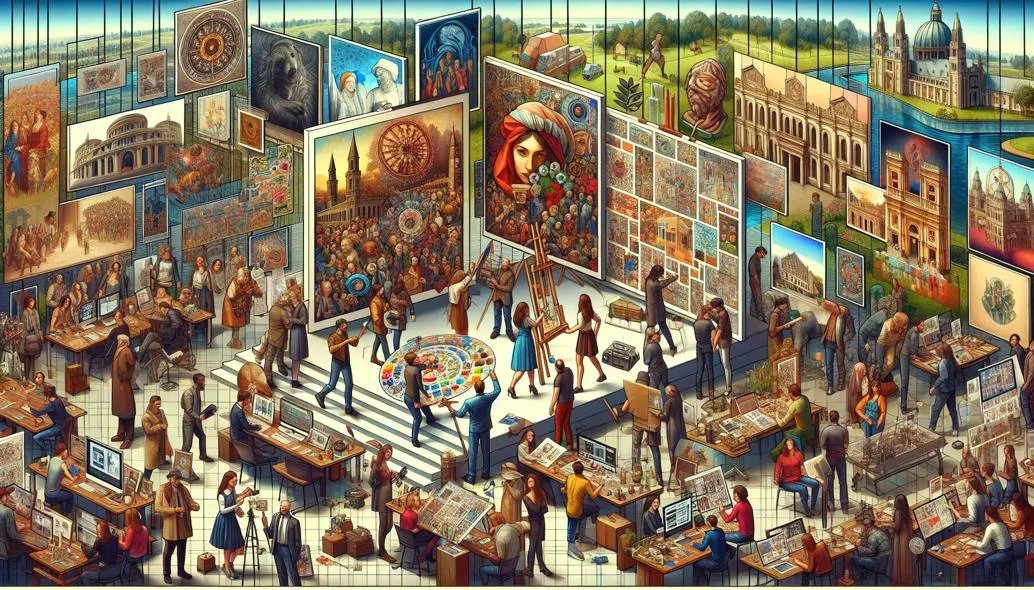
Concept art development requires systematic approaches that balance creative vision with technical precision, ensuring designs translate effectively across gaming, film, and digital media production pipelines. Grid methods provide concept artists with reliable frameworks for maintaining proportional accuracy while exploring innovative character designs, environment concepts, and visual narratives.
Professional concept art serves as the visual foundation for entertainment industry projects, requiring artists to communicate complex ideas through precise visual representation while maintaining creative flexibility. Grid techniques provide systematic approaches for managing the inherent complexity of concept development, ensuring designs meet both artistic vision and production requirements.
The challenge of concept art lies in translating abstract creative ideas into concrete visual representations that guide production teams while preserving the essential creative spark. Through systematic grid application, concept artists develop both technical accuracy and the creative problem-solving abilities necessary for successful professional practice in competitive entertainment industries.
Understanding Concept Art Requirements
If you want concept sketches to stay consistent while you iterate quickly, start from a gridded reference (create one with our grid maker online).
Industry Standards and Professional Expectations
Professional concept art must satisfy multiple stakeholders with varying technical and creative requirements:
Production pipeline requirements:
- Design clarity: Clear communication of visual ideas to production teams
- Technical feasibility: Designs that can be realized within production constraints
- Consistency standards: Maintained visual style across project development
- Iteration capability: Designs that accommodate feedback and revision cycles
- Documentation quality: Professional presentation for client and team review
Creative development needs:
- Innovation balance: Original ideas within established project parameters
- Visual storytelling: Effective communication of narrative and thematic content
- Character personality: Distinctive traits and characteristics in character design
- Environmental atmosphere: Mood and setting establishment through environment design
- Visual hierarchy: Clear focal point establishment and compositional flow
Concept Art Categories and Grid Applications
Character concept development:
- Hero characters: Primary protagonists requiring detailed development and multiple views
- Supporting characters: Secondary figures with distinctive but efficient design requirements
- Background characters: Crowd and environmental figures requiring consistent style
- Creature design: Non-human characters with unique anatomical and proportional challenges
- Costume and equipment design: Clothing, armor, and accessory development
Environment and world building:
- Establishing shots: Wide environmental views setting overall project tone
- Key locations: Important settings requiring detailed architectural and atmospheric development
- Prop and asset design: Individual objects and environmental elements
- Vehicle and technology design: Mechanical and technological concept development
- Lighting and atmosphere studies: Mood and environmental condition exploration
Specialized Grid Systems for Concept Art
Perspective-Based Grid Construction
Environmental design grids:
- Horizon line establishment: Consistent eye level across environmental concepts
- Vanishing point coordination: Multiple perspective systems for complex environments
- Architectural proportions: Building and structure scale relationships
- Atmospheric perspective: Distance effects and depth indication through grid scaling
- Compositional framing: Image boundaries and focal point placement
Character design grid systems:
- Proportional consistency: Maintained character scale across multiple views
- Action line integration: Dynamic pose development within grid frameworks
- Facial construction grids: Systematic facial feature placement and proportion
- Turnaround development: Multiple view coordination for 3D model reference
- Scale relationship verification: Character size consistency within environments
Dynamic and Experimental Grid Approaches
Creative exploration grids:
- Golden ratio applications: Aesthetically pleasing proportional relationships
- Diagonal emphasis systems: Dynamic compositions emphasizing movement and energy
- Radial composition grids: Circular and spiral arrangements for focal emphasis
- Asymmetrical balance frameworks: Non-traditional compositional approaches
- Modular design systems: Repeatable elements and pattern-based compositions
Narrative-focused grid applications:
- Sequential storytelling: Panel and frame relationships for visual narrative
- Focal point emphasis: Strategic placement of story-critical elements
- Visual flow direction: Eye movement patterns supporting narrative progression
- Emotional impact positioning: Strategic placement for maximum emotional effect
- Symbolic element integration: Meaningful visual elements within systematic frameworks
Professional Concept Art Development Process
Phase 1: Creative Brief Analysis and Research
Project requirement assessment:
- Art direction analysis: Understanding established visual style and parameters
- Narrative context study: Story and character background research
- Technical constraint identification: Production pipeline limitations and requirements
- Reference material gathering: Visual research and inspiration collection
- Competitive analysis: Industry standard review and differentiation opportunities
Initial exploration and ideation:
- Thumbnail exploration: Rapid concept generation and composition testing
- Silhouette studies: Strong shape language development
- Mood and atmosphere research: Color, lighting, and texture exploration
- Cultural and historical research: Authentic detail and inspiration sources
- Technology and science research: Realistic basis for fantastical designs
Phase 2: Systematic Design Development
Grid-based refinement process:
- Proportion establishment: Accurate scale relationships between design elements
- Detail development hierarchy: Systematic detail addition from general to specific
- Consistency verification: Maintained style and quality across design elements
- Technical accuracy checking: Realistic structural and functional relationships
- Compositional balance assessment: Visual weight distribution and focal clarity
Iterative design improvement:
- Feedback integration: Systematic incorporation of direction and critique
- Alternative exploration: Multiple design directions within established parameters
- Technical feasibility verification: Production pipeline compatibility checking
- Style guide development: Consistent visual language establishment
- Final presentation preparation: Professional quality documentation and presentation
Phase 3: Production-Ready Finalization
Professional documentation standards:
- Multiple view development: Front, side, back, and three-quarter views for characters
- Detail callout creation: Enlarged views of important design elements
- Color and material specification: Accurate representation of surface qualities
- Lighting and atmosphere indication: Environmental condition and mood establishment
- Technical annotation: Measurements, materials, and construction notes
Quality assurance and delivery:
- Client presentation preparation: Professional format and quality standards
- File organization and archiving: Systematic storage for production access
- Version control maintenance: Clear tracking of design evolution and approval stages
- Production team handoff: Clear communication of design intent and specifications
- Post-delivery support: Availability for production questions and clarifications
Advanced Techniques for Complex Concept Projects
Multi-Character and Environmental Integration
Complex scene composition:
- Character scale relationships: Accurate size proportions between multiple figures
- Environmental integration: Characters appropriately scaled within settings
- Atmospheric perspective application: Distance effects across complex compositions
- Lighting consistency: Coherent light source effects across all elements
- Narrative clarity: Clear story communication through compositional choices
Production pipeline optimization:
- 3D modeling preparation: Designs optimized for three-dimensional realization
- Animation considerations: Character designs accommodating movement requirements
- Texture and material planning: Surface treatments suitable for production methods
- Technical constraint accommodation: Polygon counts, texture limitations, hardware constraints
- Quality scalability: Designs functioning across different production quality levels
Style Development and Innovation
Personal artistic voice development:
- Technical skill integration: Grid precision supporting individual creative expression
- Industry trend awareness: Contemporary style understanding with personal interpretation
- Cultural sensitivity consideration: Appropriate representation and authentic detail
- Innovation within constraints: Creative solutions meeting both artistic and commercial requirements
- Professional growth documentation: Portfolio development and skill advancement tracking
Collaborative workflow integration:
- Team style coordination: Consistent visual language across multiple artists
- Art direction interpretation: Accurate translation of creative leadership vision
- Cross-disciplinary communication: Effective collaboration with writers, designers, programmers
- Client relationship management: Professional communication and expectation setting
- Mentorship and knowledge sharing: Contributing to team skill development and growth
Digital Tools and Contemporary Workflows
Professional Software Integration
Industry-standard digital tools:
- Photoshop concept development: Professional image manipulation and composition tools
- Procreate rapid ideation: Intuitive tablet-based sketching and exploration
- Clip Studio Paint illustration: Specialized illustration tools with advanced grid systems
- 3D software integration: Blender, Maya, ZBrush for three-dimensional concept exploration
- Miro and Figma collaboration: Team-based concept development and presentation tools
Workflow optimization strategies:
- Custom brush and tool development: Personalized digital tools for efficient concept creation
- Template and grid system creation: Reusable frameworks for consistent project development
- Reference organization systems: Efficient research material management and access
- Version control and backup strategies: Professional file management and security
- Client communication tools: Effective presentation and feedback integration methods
Traditional and Digital Integration
Hybrid workflow advantages:
- Traditional sketching benefits: Intuitive ideation and rapid concept exploration
- Digital refinement capabilities: Precise adjustment and professional presentation quality
- Physical reference utilization: Real-world research and material understanding
- Collaborative integration: Team-based development with individual artistic strength
- Client presentation flexibility: Multiple format delivery and presentation options
Professional development considerations:
- Skill diversification: Competency across traditional and digital methods
- Industry trend adaptation: Staying current with evolving tools and techniques
- Portfolio presentation: Demonstrating versatility and professional capability
- Continuous learning: Ongoing skill development and technique refinement
- Network building: Professional relationship development within entertainment industries
Career Applications and Industry Integration
Entertainment Industry Specializations
Gaming industry concept art:
- Character design: Player characters, NPCs, and creature development
- Environment design: Level design, architectural concepts, and world building
- UI and interface design: User experience and interactive element design
- Marketing and promotional art: Key art and promotional material development
- Art direction and style guide development: Visual language establishment and maintenance
Film and television concept development:
- Pre-production visualization: Scene and sequence planning and development
- Character and costume design: Actor and wardrobe development support
- Set and location design: Physical and digital environment planning
- Creature and special effects design: Practical and digital effect planning
- Storyboard and pre-visualization: Narrative sequence planning and communication
Professional Skill Development
Portfolio development strategies:
- Industry-specific presentation: Tailored portfolio content for target employment
- Process documentation: Concept development stages and problem-solving demonstration
- Technical skill demonstration: Grid technique integration with creative vision
- Professional quality standards: Industry-level presentation and technical excellence
- Personal brand development: Distinctive artistic voice within professional competency
Career advancement pathways:
- Specialization development: Focused expertise in specific concept art areas
- Leadership and mentorship: Team guidance and junior artist development
- Client relationship building: Professional communication and business development
- Industry networking: Professional relationship building and opportunity development
- Continuous education: Ongoing skill development and industry trend awareness
Problem-Solving and Professional Challenges
Common Concept Art Challenges
Creative and technical balance:
- Innovation within constraints: Original ideas meeting production requirements
- Style consistency maintenance: Visual coherence across large project scope
- Feedback integration: Professional response to critique and direction changes
- Deadline pressure management: Quality maintenance under time constraints
- Technical limitation navigation: Creative solutions within production constraints
Professional development obstacles:
- Industry entry challenges: Breaking into competitive entertainment markets
- Skill diversification needs: Balancing specialization with versatility requirements
- Technology adaptation: Staying current with rapidly evolving digital tools
- Portfolio development: Creating compelling work without industry experience
- Professional network building: Establishing relationships within entertainment industries
Advanced Problem-Solving Strategies
Systematic approach development:
- Grid technique mastery: Technical skill supporting creative problem-solving
- Reference research methods: Efficient information gathering and application
- Iteration and refinement processes: Systematic improvement and development approaches
- Quality control procedures: Consistent professional standard maintenance
- Client communication protocols: Clear expectation setting and feedback integration
Professional growth strategies:
- Mentorship seeking: Learning from established industry professionals
- Continuous skill assessment: Regular evaluation and improvement planning
- Industry trend monitoring: Staying current with evolving market demands
- Personal project development: Skills maintenance and creative exploration outside client work
- Professional community participation: Industry event attendance and network building
Mastering Professional Concept Art
Exploring the use of grids for concept art represents a sophisticated integration of creative vision, technical precision, and professional workflow understanding. Through systematic application of grid techniques, concept artists develop both artistic excellence and the problem-solving abilities necessary for successful entertainment industry careers.
The journey toward concept art mastery requires patience, systematic practice, and deep understanding of both creative principles and production requirements. Grid methods provide reliable frameworks that enable artists to achieve consistent quality while developing the specialized skills necessary for professional success in competitive creative industries.
Professional concept art skills enable artists to contribute meaningfully to entertainment projects while building sustainable careers in gaming, film, and digital media industries. Through dedicated study and systematic application of grid techniques, artists develop the sophisticated visual communication abilities and technical proficiency necessary for lifelong success in concept art and visual development.
Mastering Concept Art with Grid Techniques
For further study, explore concept grid workflow and grid perspective guide.
Ready to Try the Grid Method?
Put these techniques into practice with our free grid generator tool—trusted by 170,000+ artists worldwide.
Create Your Grid Now →