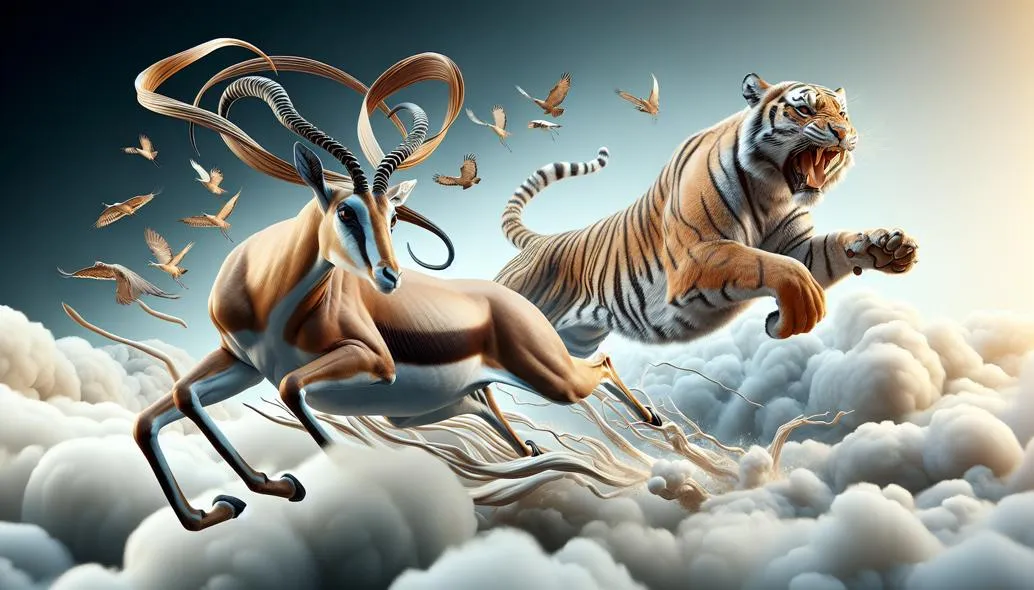
Wildlife drawing is easiest when you build the animal like a “moving machine”: big masses first, joints next, then silhouette, then texture. A grid helps beginners keep proportions stable while the pose feels dynamic.
Quickstart: A Beginner Wildlife Workflow
- Pick a clear reference: one animal, readable lighting, not too tiny.
- Gesture line: one line through the spine (the “movement”).
- Big masses: ribcage + hips + head (simple shapes in the correct grid squares).
- Joints: shoulders/hips, elbows/knees, wrists/ankles (place by grid position).
- Silhouette: refine the outer contour (this is what makes the animal look like that species).
- Texture last: fur/feathers/scales only after the structure reads.
The fastest improvement comes from getting mass + joints + silhouette right before you chase details.
Foundations of Wildlife Anatomy and Proportion
Comparative Anatomy Across Species
Understanding skeletal and muscular systems: Successful wildlife drawing begins with understanding how different animal groups share fundamental anatomical principles while exhibiting species-specific variations. Mammals, birds, reptiles, and other creature categories follow predictable structural patterns that can be analyzed systematically through grid-based observation.
Proportional relationships in animal construction:
- Quadruped proportions: Four-legged mammals sharing basic structural relationships with individual variations
- Avian proportions: Bird anatomy principles including wing-to-body ratios and head-to-tail relationships
- Predator versus prey adaptations: How ecological roles influence body proportions and movement patterns
- Size scaling effects: How proportional relationships change from small to large animals within species groups
- Age and gender variations: Proportional differences between juvenile and adult animals, male and female characteristics
Species-specific characteristics: Each animal species exhibits distinctive proportional relationships that must be understood and captured to achieve convincing representation. A horse's leg-to-body ratio differs significantly from a deer's proportions, while maintaining similar quadruped structural principles.
Movement Analysis and Dynamic Construction
Gait patterns and locomotion principles: Animal movement follows predictable patterns that can be analyzed and constructed systematically. Understanding walk, trot, canter, and gallop gaits in quadrupeds, or various flight patterns in birds, enables artists to create convincing dynamic poses even when working from static references.
Weight distribution and balance principles: Living animals maintain balance through sophisticated weight distribution that must be understood to create believable poses. Grid analysis helps identify center of gravity relationships and support patterns that distinguish natural poses from artificial arrangements.
Behavioral context and environmental adaptation:
- Hunting behaviors: Predator postures and movement patterns during stalking and pursuit
- Defensive postures: Prey animal alert positions and escape behaviors
- Social interactions: Pack, herd, and territorial behaviors affecting posture and positioning
- Environmental responses: How terrain, weather, and habitat influence animal positioning and movement
- Seasonal behaviors: Migration, mating, and survival adaptations affecting appearance and behavior
Professional Grid Systems for Wildlife Construction
If you want a quick grid overlay for your reference, you can use our grid maker online. The grid is most useful on fast poses where your eye wants to “guess” limb placement.
Adaptive Grid Construction for Different Species
Quadruped grid systems: Four-legged animals benefit from grid systems that accommodate their horizontal body orientation while managing the vertical elements of head, neck, and leg positioning. Primary grid divisions should align with major body segments: head and neck, front quarters, barrel, and hindquarters.
Avian grid adaptations: Bird anatomy requires grid systems that accommodate wing positioning, whether folded or extended, while managing the proportional relationships between head, body, and tail elements. Flight poses require particular attention to wing mechanics and aerodynamic positioning.
Specialized creature adaptations:
- Aquatic animals: Grid systems accommodating streamlined body forms and fin positioning
- Reptilian subjects: Snake and lizard proportions requiring flexible grid systems for curved body forms
- Insect anatomy: Systematic approaches to complex multi-legged creatures with segmented body structures
- Amphibian characteristics: Frog and salamander proportions with unique limb and body relationships
- Marine mammals: Whale and dolphin anatomy requiring specialized proportion understanding
Dynamic Pose Construction Methods
Movement analysis through grid frameworks: Dynamic wildlife poses require grid systems that capture the essential gesture and movement flow while maintaining anatomical accuracy. The grid should support rather than constrain the natural movement patterns inherent in the subject.
Sequential movement studies: Understanding animal movement benefits from analyzing motion sequences through multiple grid constructions. Walking, running, jumping, and other movements can be broken down into component phases that reveal the underlying movement principles.
Environmental integration considerations:
- Ground contact points: Accurate foot and paw placement supporting realistic weight distribution
- Terrain adaptation: How animals adjust posture and movement for different ground conditions
- Obstacle navigation: Movement modifications for natural environmental challenges
- Social spacing: Appropriate distances and orientations for pack, herd, or family groupings
- Predator-prey relationships: Realistic positioning for hunting, fleeing, and defensive behaviors
Advanced Wildlife Drawing Techniques
Texture and Surface Development
Fur and hair rendering systems: Different animal fur types require systematic approaches that capture both individual hair characteristics and overall surface patterns. Short, medium, and long fur each present unique challenges that benefit from grid-based planning and construction.
Feather construction and pattern analysis: Bird feathers follow complex but predictable patterns that can be analyzed systematically. Understanding primary, secondary, and contour feather relationships enables accurate bird representation across different species and positions.
Scale, skin, and specialized surface treatments:
- Reptilian scales: Systematic approaches to various scale patterns and surface textures
- Amphibian skin: Smooth and textured skin treatments with moisture and color variations
- Insect exoskeletons: Hard surface treatments with segment joints and surface patterns
- Marine animal surfaces: Smooth, rough, and specialized surface adaptations
- Unique adaptations: Specialized surface treatments for animals with distinctive characteristics
Environmental Context and Habitat Integration
Natural habitat representation: Wildlife drawings gain authenticity through appropriate environmental context that supports rather than competes with the animal subject. Understanding how animals relate to their environments enhances both accuracy and artistic impact.
Seasonal and weather considerations: Animals adapt to seasonal changes through coat changes, behavioral modifications, and environmental relationships. Capturing these seasonal characteristics adds authenticity and temporal context to wildlife artwork.
Compositional integration strategies:
- Foreground, middle ground, background relationships: Appropriate depth and spatial organization
- Scale relationships: Accurate animal-to-environment proportional relationships
- Lighting consistency: Unified light sources affecting both animal and environmental elements
- Atmospheric effects: Weather, time of day, and seasonal atmospheric conditions
- Narrative context: Environmental details supporting behavioral or story elements
Species-Specific Construction Approaches
Large Mammals: Systematic Approaches
Ungulate construction (deer, elk, horses): Hoofed animals share basic proportional relationships while exhibiting species-specific variations. Understanding these shared characteristics and individual differences enables systematic construction approaches that work across related species.
Predator anatomy (cats, dogs, bears): Carnivorous mammals exhibit muscular development and proportional relationships adapted for hunting behaviors. Grid analysis helps capture the power and grace inherent in predator anatomy while maintaining species-specific characteristics.
Specialized large mammals:
- Elephants: Unique proportional relationships and distinctive anatomical features
- Primates: Human-like characteristics requiring adapted construction approaches
- Marine mammals: Whale and dolphin adaptations for aquatic environments
- Specialized herbivores: Giraffe, rhinoceros, and other uniquely proportioned species
- Extinct species: Systematic approaches to reconstructing prehistoric animals from fossil evidence
Birds: Flight and Perching Adaptations
Raptor construction (eagles, hawks, owls): Birds of prey exhibit distinctive proportional relationships adapted for hunting, including specialized wing shapes, talon development, and head characteristics. Understanding these adaptations enables accurate representation of predatory birds.
Waterfowl and aquatic birds: Swimming and diving birds show adaptations for aquatic environments including specialized bill shapes, webbed feet, and streamlined body forms. Grid construction must accommodate these aquatic specializations.
Specialized avian groups:
- Songbirds: Small bird proportions and characteristics
- Seabirds: Ocean-adapted anatomy and proportional relationships
- Flightless birds: Ostrich, penguin, and other non-flying bird adaptations
- Exotic species: Tropical and specialized bird groups with unique characteristics
- Migration adaptations: Seasonal changes affecting bird appearance and behavior
Small Mammals and Specialized Creatures
Rodent and small mammal construction: Small mammals exhibit proportional relationships optimized for their ecological niches, including specialized adaptations for climbing, burrowing, or gliding. Understanding these adaptations helps create accurate small animal representations.
Specialized ecological adaptations: Different animals exhibit unique adaptations for specific environmental challenges that must be understood to achieve accurate representation in wildlife artwork.
Professional Applications and Career Development
Scientific Illustration and Natural History Art
Museum and educational applications: Wildlife art serves important educational and scientific purposes requiring accuracy that combines artistic skill with biological knowledge. Understanding how to create scientifically accurate artwork expands professional opportunities in natural history and educational contexts.
Field guide and identification illustration: Creating artwork for field guides and identification materials requires systematic approaches that emphasize diagnostic characteristics while maintaining artistic quality. This specialized application demands both technical accuracy and clear visual communication.
Conservation and environmental applications:
- Wildlife advocacy: Artwork supporting conservation efforts and environmental awareness
- Habitat documentation: Recording threatened ecosystems and wildlife populations
- Educational outreach: Creating materials that connect people with wildlife and nature
- Scientific research support: Illustrations and diagrams supporting biological research
- Cultural documentation: Recording traditional relationships between humans and wildlife
Commercial Wildlife Art Applications
Publishing and media applications: Wildlife artwork serves various commercial applications including book illustration, magazine features, and digital media content. Understanding market requirements and client expectations supports professional success in commercial wildlife art.
Fine art and gallery applications: Wildlife art enjoys strong gallery and collector markets, creating opportunities for artists with systematic construction skills combined with artistic vision. Understanding how to present wildlife work in fine art contexts requires balancing accuracy with artistic interpretation.
Educational and instructional opportunities:
- Workshop instruction: Teaching wildlife drawing to various audiences including nature enthusiasts and developing artists
- Educational content creation: Developing instructional materials and resources for wildlife art education
- Nature center programming: Creating educational experiences combining art and natural history
- Online education: Digital platform instruction reaching global audiences interested in wildlife art
- Collaborative projects: Working with biologists, conservationists, and educators on interdisciplinary projects
Problem-Solving Complex Wildlife Challenges
Reference Material Limitations and Solutions
Working with imperfect wildlife photography: Wildlife photography often presents challenges including motion blur, poor lighting, or partial views of subjects. Understanding how to extract maximum information from imperfect references while avoiding speculation requires systematic analytical approaches.
Multiple reference integration: Professional wildlife art often requires combining information from multiple sources to create complete and accurate representations. Grid techniques help coordinate information from different references while maintaining consistent proportional relationships.
Behavioral accuracy and natural positioning:
- Movement authenticity: Ensuring poses reflect natural animal behavior rather than artificial arrangements
- Species-appropriate behaviors: Understanding typical behaviors for different animal groups
- Environmental context: Appropriate habitat and seasonal considerations
- Age and gender accuracy: Appropriate characteristics for different life stages and sexes
- Social context: Realistic interactions between multiple animals when applicable
Advanced Technical Challenges
Complex surface textures and patterns: Some animals present extraordinary surface complexity that challenges traditional drawing approaches. Systematic methods help manage this complexity while maintaining overall artistic unity and impact.
Extreme poses and unusual viewpoints: Dynamic wildlife subjects sometimes require representation from challenging angles or in extreme poses that test proportional understanding and construction skills.
Scale and detail management:
- Appropriate detail levels: Balancing detail with overall artistic impact
- Scale transitions: Managing different levels of detail across single compositions
- Focus hierarchy: Directing viewer attention through strategic detail placement
- Technical demonstration: Showing skill without overwhelming artistic content
- Artistic interpretation: Creative choices that enhance rather than compromise accuracy
Digital Integration and Contemporary Methods
Digital Tools for Wildlife Reference and Construction
Photography analysis and grid overlay: Digital tools enable sophisticated analysis of wildlife photography including proportion measurement, grid overlay, and detail enhancement. Understanding how to use these tools supports rather than replaces traditional drawing skills.
3D modeling and anatomical reference: Contemporary wildlife artists benefit from digital anatomical models and references that help understand complex three-dimensional relationships. These tools provide verification and analysis support for traditional construction methods.
Hybrid workflow development:
- Digital planning: Computer-based analysis and grid establishment
- Traditional execution: Natural drawing materials and techniques for final artwork
- Verification integration: Digital tools confirming anatomical accuracy and proportional relationships
- Process documentation: Recording techniques for analysis and improvement
- Portfolio presentation: Professional digital presentation of traditional wildlife artwork
Professional Documentation and Presentation
Process documentation for educational and professional purposes: Wildlife artists benefit from documenting their systematic construction processes for both educational use and professional presentation. Understanding how to create clear process materials supports teaching opportunities and professional credibility.
Portfolio development for wildlife specialization: Professional wildlife art careers require portfolios demonstrating both technical competency and artistic vision. Understanding how to present wildlife artwork effectively supports career advancement across various professional contexts.
Mastering Wildlife Drawing Excellence
Drawing dynamic wildlife using the grid method represents sophisticated integration of anatomical knowledge, observational skills, and systematic construction methods that serve both artistic expression and scientific accuracy. Through consistent application of grid techniques combined with understanding of animal behavior and natural history, artists develop both technical proficiency and the sensitivity necessary for compelling wildlife representation.
My experience with systematic wildlife construction has taught me that understanding natural history enhances rather than constrains artistic expression, providing biological foundations that enable confident creative interpretation while ensuring accuracy. The complexity of animal anatomy and behavior requires systematic study that supports rather than replaces direct observation and artistic sensitivity.
Professional wildlife drawing success depends on understanding how anatomical knowledge, systematic construction methods, and artistic vision work together to create artwork that captures both biological accuracy and the essential spirit of wild creatures. Through dedicated study and systematic application of grid techniques, artists develop the sophisticated observational abilities and technical proficiency necessary for lifelong growth in wildlife art and related professional applications.
Mastering Wildlife Drawing with Grids
Explore related motion studies in How to Draw Animals in Motion with the Grid Method. For perspective control, review Understanding Perspective with Grid Drawing.
Ready to Try the Grid Method?
Put these techniques into practice with our free grid generator tool—trusted by 170,000+ artists worldwide.
Create Your Grid Now →